Does your team see internal training as an obligation? Do you have trouble motivating your employees to take corporate courses?
At 3ipunt, we believe learning doesn’t have to be boring. Gamification, when integrated into platforms such as Moodle, can transform training into an engaging, dynamic, and effective experience.
What is gamification in eLearning?
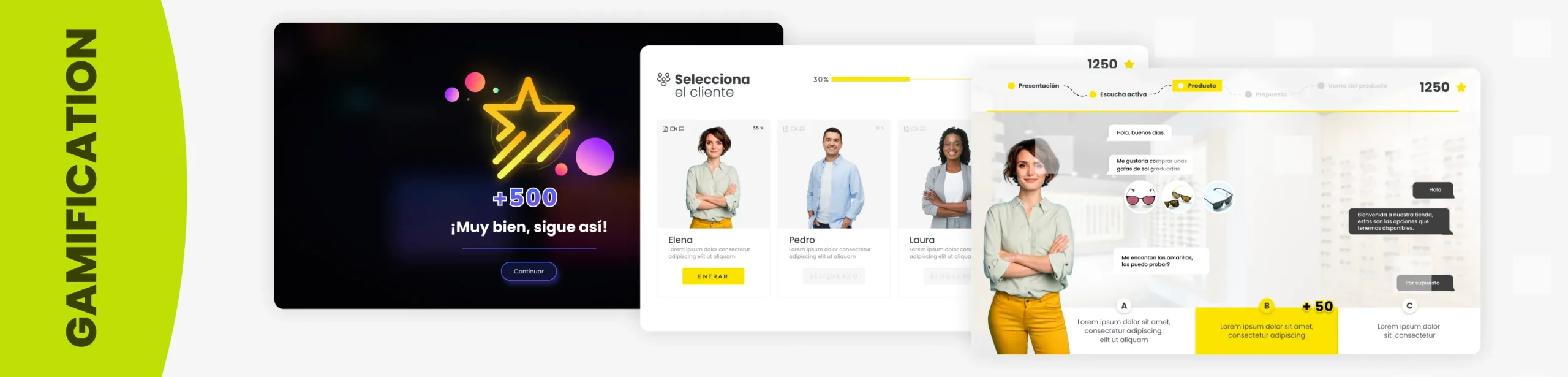
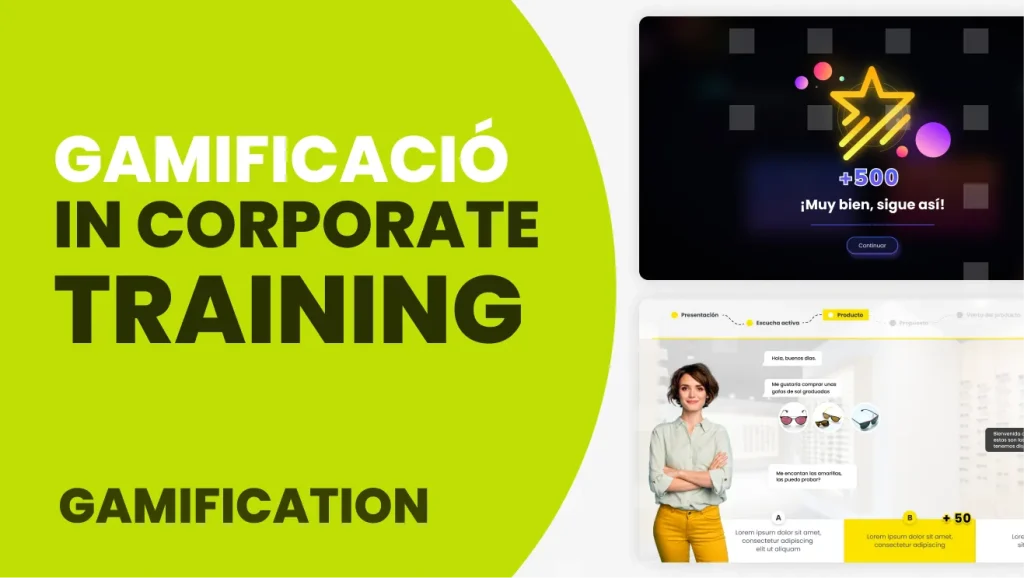
Gamification involves applying game mechanics, such as scores, challenges, levels, and rewards, to non-game contexts, like online training.
Learning by playing releases dopamine, improves concentration and increases knowledge retention. The result? Increased student engagement and better learning outcomes.
5 gamification mechanics that work (and how to use them in Moodle)
As experts in LMS platforms, we have found these to be the most effective ways to transform corporate courses. The best part? You can apply them directly in Moodle!
1. Points and levels
What is it?
Earn award points by completing activities and leveling up as you progress.
How to apply it in Moodle:
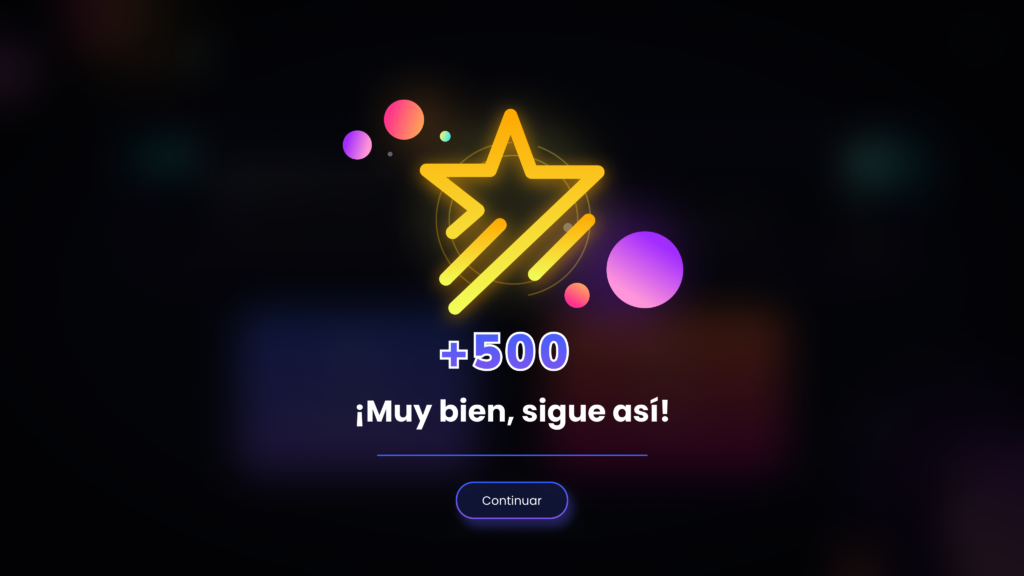
Use the Level Up! plugin to automatically assign points. You can display a progress bar and define custom levels. Link it with badges or unlock additional content to boost motivation.
2. Badges and rewards
What is it?
Visual recognition rewards specific achievements, such as completing a module, overcoming a challenge, or actively participating in forums.
How to apply it in Moodle:
Activate the native badge system and configure automatic criteria for awarding badges. Associate the badges with real awards or internal company recognition.
3. Timed challenges
What is it?
Time-limited challenges that encourage personal growth and healthy competition.
How to apply it in Moodle:
Create time-limited quizzes, or transform questions into mini-games using plugins like Quizventure. Add weekly or monthly leaderboards to encourage competition.
4. Narratives and adventures
What is it?
Design your course as if it were a story: with sequential missions, characters and challenges.
How to apply it in Moodle:
Organize the modules as stages of a mission. Include descriptions or videos that provide context for each task. Use access restrictions to unlock content based on learners’ decisions or progress.
5. Immediate and motivating feedback
What is it?
Positively reinforce every action, including successes, mistakes, and progress. This is essential to maintaining motivation.
How to apply it in Moodle:
Customize feedback messages in tests. Add conditional labels with motivational phrases when completing key activities. Positively reinforce each action, including successes, mistakes, and progress. Maintaining motivation is essential.
Case study: gamified onboarding
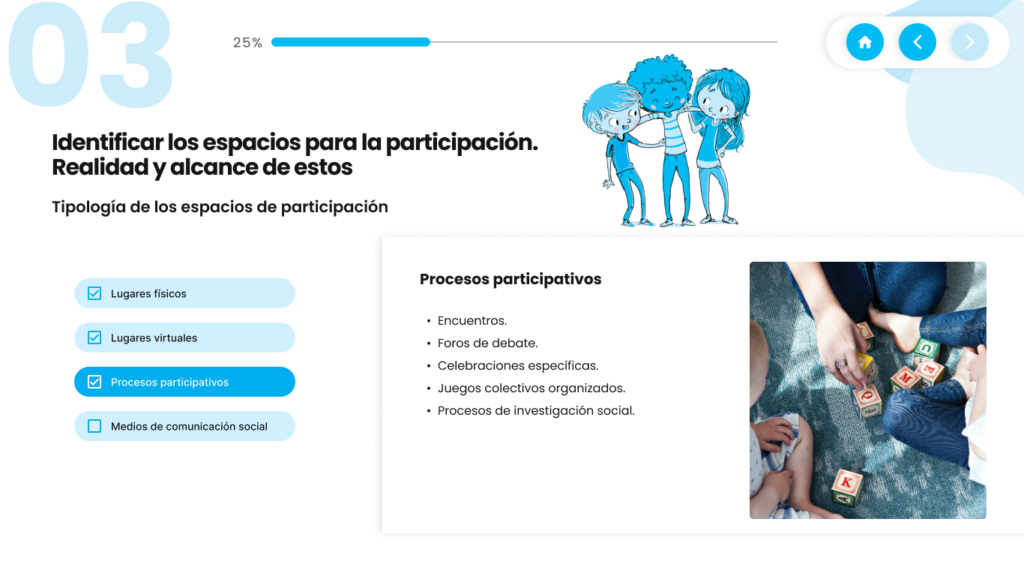
A company implemented a welcome course with gamification mechanics, including levels, badges, timed challenges, and a “training mission” narrative. The result was increased participation and a deeper appreciation of the course among new employees.
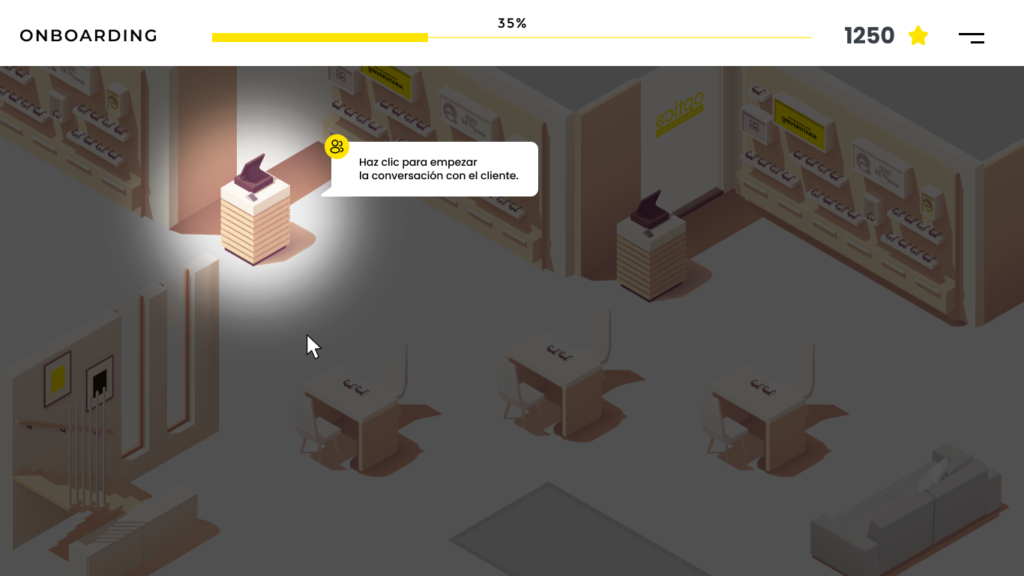
At 3ipunt, we developed a gamified training solution for the pharmaceutical sector that combines interactive content, dynamic learning methods, and a customized Moodle environment.
Why should you gamify your corporate training?
Gamification enhances the learning experience and has a direct impact on performance.
- Increases knowledge retention.
- Improves motivation and engagement.
- Promotes autonomous learning.
- It allows to evaluate progress in a visual and attractive way.
Empower your Moodle with gamification by 3ipunt
At 3ipunt, we help you implement gamification mechanics on your Moodle or Google platform that are adapted to your corporate needs.
We accompany you every step of the way, from instructional design to technical configuration and recommended plugins, to make your training an experience, not just a course.